Castle Rock Insurance on Checking Your Home's Hail History
A Castle Rock insurance agency wrote about HailScore™ for Douglas County homeowners. Our thanks, plus the county's 13 counted hail days of 2026.
A Castle Rock insurance agency has written about HailScore™ for its Douglas County readers: Helping Homeowners Understand Hail History with Denver-Based MyHailScore. Castle Rock Insurance was kind enough to write this article for us. Thank you. We hope it helps their readers after the next storm.

Why an Insurance Agent Cares About Hail Dates
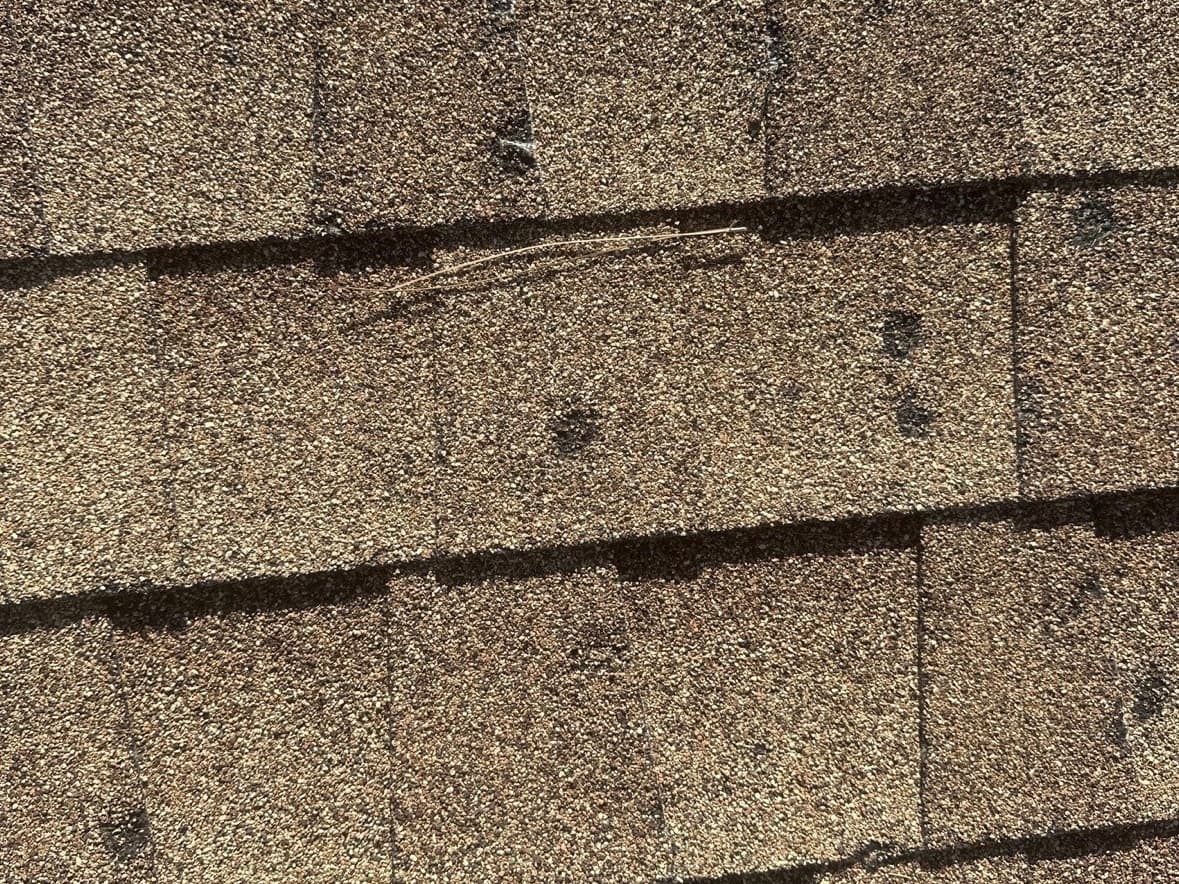
After a storm, homeowners often want to know which hail dates actually reached their address before they call their agent. HailScore™ shows radar-estimated hail exposure near an address. That is a record of exposure, not proof of roof damage. A physical, on-roof inspection is what confirms damage.
Castle Rock and Douglas County Hail This Season
By our count from NOAA radar, Douglas County had 13 hail days in 2026, from June 1 through September 20. Each size is the largest new radar estimate inside the county that day.
| Date (2026) | Largest radar estimate | Storm page |
|---|---|---|
| June 1 | 1.46 in | Douglas County, June 1 |
| June 3 | 1.54 in | — |
| June 4 | 1.55 in | — |
| June 8 | 1.34 in | Douglas County, June 8 |
| June 23 | 1.01 in | — |
| July 28 | 1.39 in | — |
| August 14 | 1.71 in | Douglas County, August 14 |
| August 15 | 1.89 in | Douglas County, August 15 |
| August 16 | 1.16 in | — |
| August 22 | 1.25 in | — |
| August 26 | 2.00 in | Douglas County, August 26 |
| September 19 | 1.07 in | — |
| September 20 | 1.24 in | — |
Douglas County is large, so a date here means hail fell somewhere in the county. Counted hail came within 5 miles of central Castle Rock on three of these dates: June 3, June 8 and August 22. The Castle Rock hail history page has the longer record.
The June 1 and June 8 pages lead with NOAA's Storm Events reports from observers on the ground, 1.5 inches on both days.
How the days were counted. We used the rules of our Colorado hail statistics page and storm recaps. A hail day is a distinct Mountain Time date with new hail of 1 inch or larger inside the county. Readings that only repeat the previous date's trailing 24-hour maximum don't count, and each reading needs at least three other cells of 1 inch or more within about 5 kilometers that day. A storm core above 8.0 inches, the largest hailstone measured in the United States, is refused. A reading of 2 inches or more is published only if another hail record of at least 1 inch lies within 25 kilometers, on that date or a day either side. Source: NOAA's Multi-Radar Multi-Sensor (MRMS) MESH estimate. HailScore™'s radar record for this count begins February 28, 2026; earlier hail is not counted.
Check Your Own Address
To see what the record shows near your home, try Did hail hit my house?, our free check by address, or test one date with the hail date check.
Data current as of November 10, 2026. HailScore™ documents radar-recorded hail exposure near an address. It does not confirm roof damage.
Check Hail Data for These Areas
Cities
Related Articles
Check Your Hail History
Enter your address for a free hail history report powered by NOAA data.
Get My Free HailScore